CHECK 1Know the types of tools
Aerial report services use high-resolution overhead images to produce a measurement report you order per address. Takeoff software lets you or your estimator trace roof planes yourself on imagery. Drone and phone apps build measurements from photos you take on site.
Each has trade-offs. Ordered reports are hands-off but cost per report and take time to deliver. Self-serve takeoff is fast if you are skilled. Drone and photo tools need a site visit but can capture detail aerial images miss.
CHECK 2Test accuracy on roofs you know
Before you trust any tool, run it on five to ten roofs you have measured by hand. Compare total squares, pitch, ridge, hip, valley, eave and rake lengths. Note how it handles complex roofs with dormers and multiple pitches.
Trees, shadows, old imagery and recent additions can throw measurements off. Ask how current the imagery is in your area and what the provider does if a report is wrong.
- Total area within your tolerance
- Correct pitch on each plane
- Edges: ridge, hip, valley, eave, rake
- Handles dormers and additions
- Imagery date shown
CHECK 3Check what the report includes
A useful report shows a diagram, area by plane, pitch, line lengths and a suggested waste factor. Some include material estimates. Make sure the format works for your estimator and for insurance work if you do it.
Ask whether you can edit the numbers when you find a difference on site, and whether the edits flow into your estimate.
CHECK 4Ask how it connects
The real time savings come when measurements drop straight into your estimate or CRM instead of being retyped. Ask each vendor which tools they connect to and ask to see it work with a live account.
Do not assume a connection exists because a logo appears on a website. Integrations change.
CHECK 5Understand the real cost
Pricing models include per-report fees, monthly subscriptions, user seats and bundles. Some manufacturer programs tie measurement access to contractor certification levels. Figure out your monthly report volume and ask for the full cost at that volume.
Compare that cost to the time it saves. If a tool saves your estimator a ladder trip on most bids, it may pay off quickly. If you only bid a few roofs a month, per-report pricing may be cheaper than a subscription.
- Per-report price at your volume
- Subscription and seat costs
- Turnaround time
- Refund or redo policy for bad reports
- Certification requirements
CHECK 6Still inspect the roof
A measurement is not an inspection. You still need to check decking, flashing, ventilation, layers, and damage before you price a job or order material. Insurance work also needs on-site photos.
Use measurement tools to quote faster and prepare better, then confirm on site.
CHECK 7A simple accuracy test you can run this week
Pick five roofs you have measured by hand in the last year, including at least one simple gable, one hip roof and one complex roof with dormers or multiple pitches. Order or create a measurement for each one using the tool you are considering, without looking at your hand numbers first.
Put the results side by side in a spreadsheet: total squares, predominant pitch, ridge and hip length, valley length, eave and rake length. Calculate the percent difference for each. Decide in advance what difference you can live with, and note where the tool missed and why, such as tree cover, old imagery or a recent addition.
Repeat the test with a second tool if you are choosing between two. In one afternoon you will know far more than any sales demo can tell you.
CHECK 8Building measurements into your estimate workflow
Decide when in your sales process you order or create the measurement. Many roofers measure as soon as an inspection is booked, so the salesperson arrives with the roof size and a rough material count. Others wait until after the inspection to avoid paying for reports on leads that go nowhere.
Set a standard waste factor for each roof type and use it every time, adjusting for complexity. Write down which line items come from the measurement and which are added after inspection, like decking replacement or extra flashing. A consistent method makes estimates faster and easier to check.
Store the measurement report in the job file, along with your on-site notes. If there is ever a question about material or price, you will have a clear record.
CHECK 9Drones, rules and safety
Drones can capture detailed roof photos without climbing, which is a real safety gain on steep or damaged roofs. In the US, commercial drone use generally requires following FAA rules, including pilot certification for business use and airspace limits near airports. Check current FAA guidance before you fly for business.
A drone does not replace a hands-on inspection of soft spots, decking and flashing details. Use it to see more and climb less, not to skip the inspection.
CHECK 10Training your team to use measurements well
Give your estimators and salespeople a short training on reading a measurement report: what each line means, how pitch affects material, and where errors usually hide. Pair new staff with an experienced estimator for their first few jobs.
Review a few completed jobs each month by comparing ordered material to what was actually used. Big gaps point to measurement or waste-factor problems you can fix before they eat your margin.
CHECK 11How pitch changes your numbers
Pitch has a big effect on area. A 12/12 roof covers far more surface than a 4/12 roof with the same footprint, because the slope is longer. Measurement tools apply a pitch factor to the flat footprint to get true roof area. If the pitch is wrong, the squares are wrong.
That is why it pays to confirm pitch on site, especially on roofs with several different slopes. A digital pitch gauge or phone app makes this quick. Note any planes where the measured pitch differs from the report and adjust before you order.
Steeper roofs also need more labor, safety equipment and time. Many roofers add a steep charge above a certain pitch. Make sure your estimate reflects it.
CHECK 12Getting more value from every report
A measurement report is not just for the estimate. Use the diagram in your sales presentation to show the homeowner their roof, point out valleys and penetrations, and explain why certain areas need extra protection. A clear diagram builds confidence and makes your proposal look professional.
Share the report with production so the crew lead knows the roof before arrival. Use it to plan dumpster size, material staging and crew size. After the job, compare material used to material ordered and adjust your waste factors over time.
Over a season, these small improvements add up to fewer supply runs, less leftover material and better margins on every roof.
CHECK 13When hand measuring still makes sense
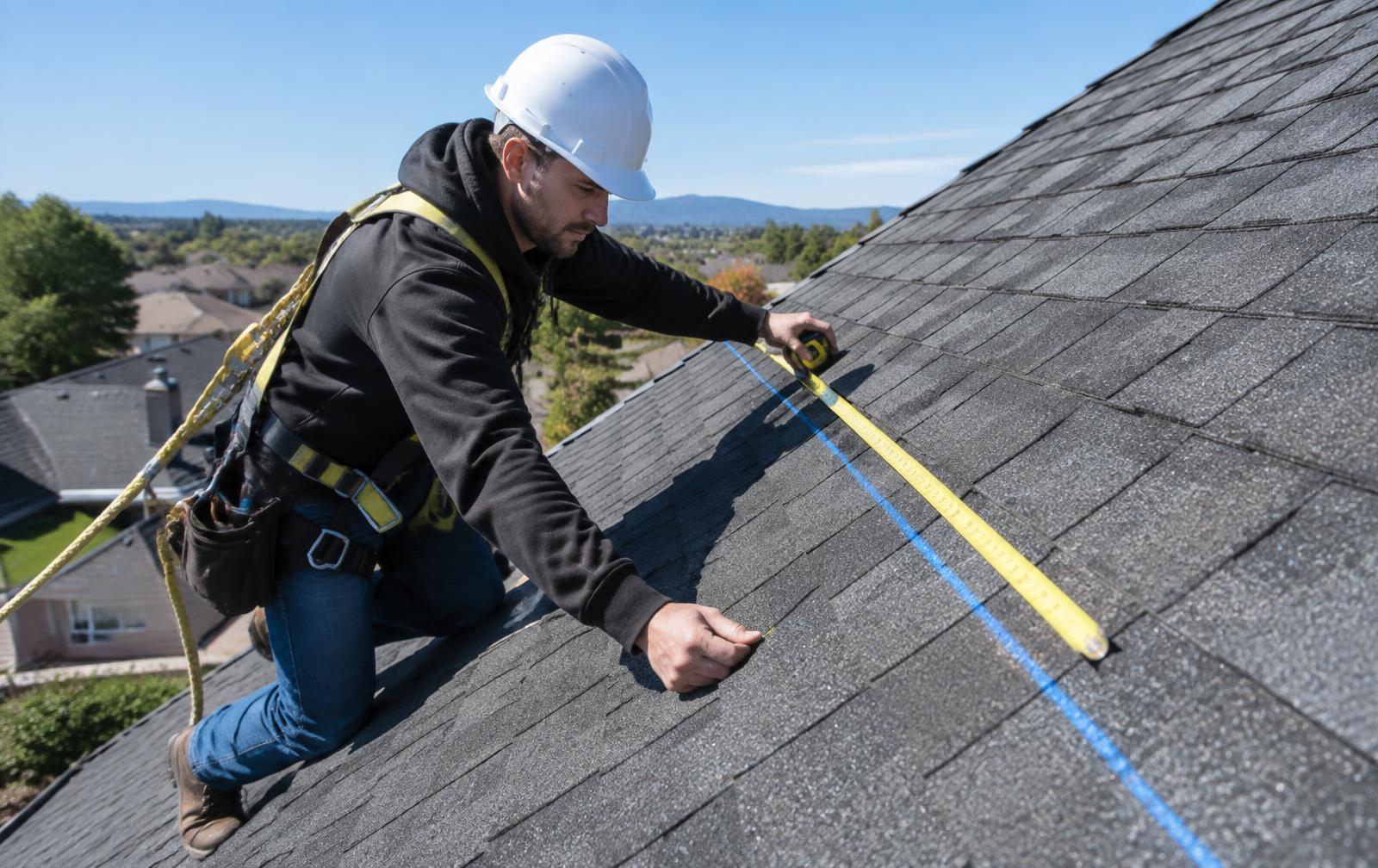
Some roofs are hard for aerial tools: heavy tree cover, very new construction not yet in imagery, complex historic roofs, or small repair areas. For these, a tape and a pitch gauge are still the right tools.
Hand measuring also catches things software cannot, like soft decking, hidden layers and flashing problems. Many experienced estimators use software for speed and hand checks for confidence. The two work best together.
CHECK 14What a missed lead really costs
A missed call is not just one lost job. It is the marketing money you spent to make the phone ring, the referral that job would have produced, and the review that would have helped you win the next one. When owners add those up, the true cost of a slow callback is usually much higher than they expected.
Use the calculator on this page with your own numbers. Enter how many calls and forms you get, how many slip through, your close rate and your average job. The result shows sales you never got the chance to quote. Then pick one change, like a shared lead list or an after-hours text, and measure the difference next month.
CHECK 15Keep a clean record of every measurement
Save every measurement report, pitch check and adjustment in the job file with a date. When a homeowner asks why the price changed, or an adjuster questions your squares, you can show exactly where each number came from. Over time, these records also show which tool and which estimator are most accurate, so you can coach your team and choose tools based on real results instead of sales promises.
CHECK 16Measurement data and insurance estimates
If you do insurance restoration, measurement accuracy matters even more. Adjusters often use their own measurement sources, and differences in squares, pitch or line lengths can lead to back-and-forth on the estimate. A clear, accurate measurement report with matching on-site photos makes those conversations shorter and calmer.
Keep your measurement report, pitch checks and photos together in the job file. If the insurer's numbers differ from yours, compare line by line and show the evidence. Stay professional and follow your state's rules about what contractors can do in a claim.
Many restoration contractors also note items measurement reports can miss, such as extra layers, decking replacement, code-required upgrades or steep and high charges, and document each one on site with photos and notes.
CHECK 17Picking the right tool for your volume
If you bid only a handful of roofs a month, paying per report or measuring by hand may be the most sensible. If you bid many roofs a week, a subscription or self-serve takeoff tool can lower your cost per roof and speed up every estimate. Count last quarter's bids, divide by three, and use that real monthly number when you compare prices.
CHECK 18Faster estimates need more people to estimate
Measurement software makes each bid faster. It does not bring you more homeowners to bid. If your estimators have open time, the bottleneck is demand.
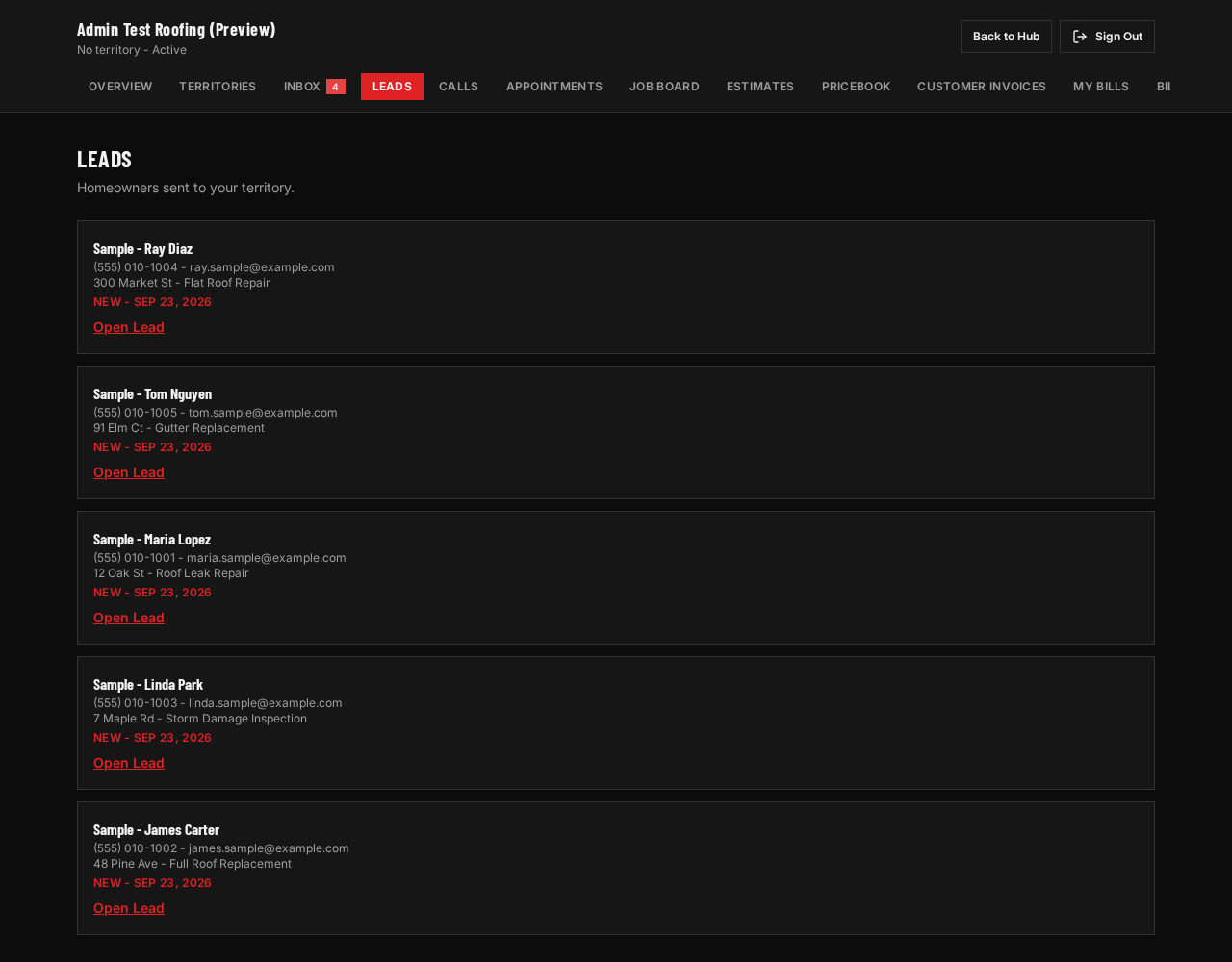
A rented territory from Rent Roofing Sites sends calls and forms from a local roofing site to one roofer. Use the calculator to compare your software spend with the cost and possible return of more inbound leads, using your own numbers.