01Where hail maps come from
Most hail maps start with weather radar. Radar can estimate where large hail was likely inside a storm. Providers then add ground reports, such as spotter and public reports collected by the National Weather Service, and their own models or meteorologists.
The result is a swath on a map with estimated hail sizes. The National Weather Service treats hail one inch or larger as severe. Smaller hail can still damage some roofs, gutters and soft metals, depending on the material and its age.
Different providers use different methods, so two maps of the same storm can look different. That is normal. Treat each map as an estimate.
02What hail software can and cannot tell you
A good hail map tells you which neighborhoods are worth driving and inspecting first. It can help you plan canvassing, time ads, and prioritize past customers to check on.
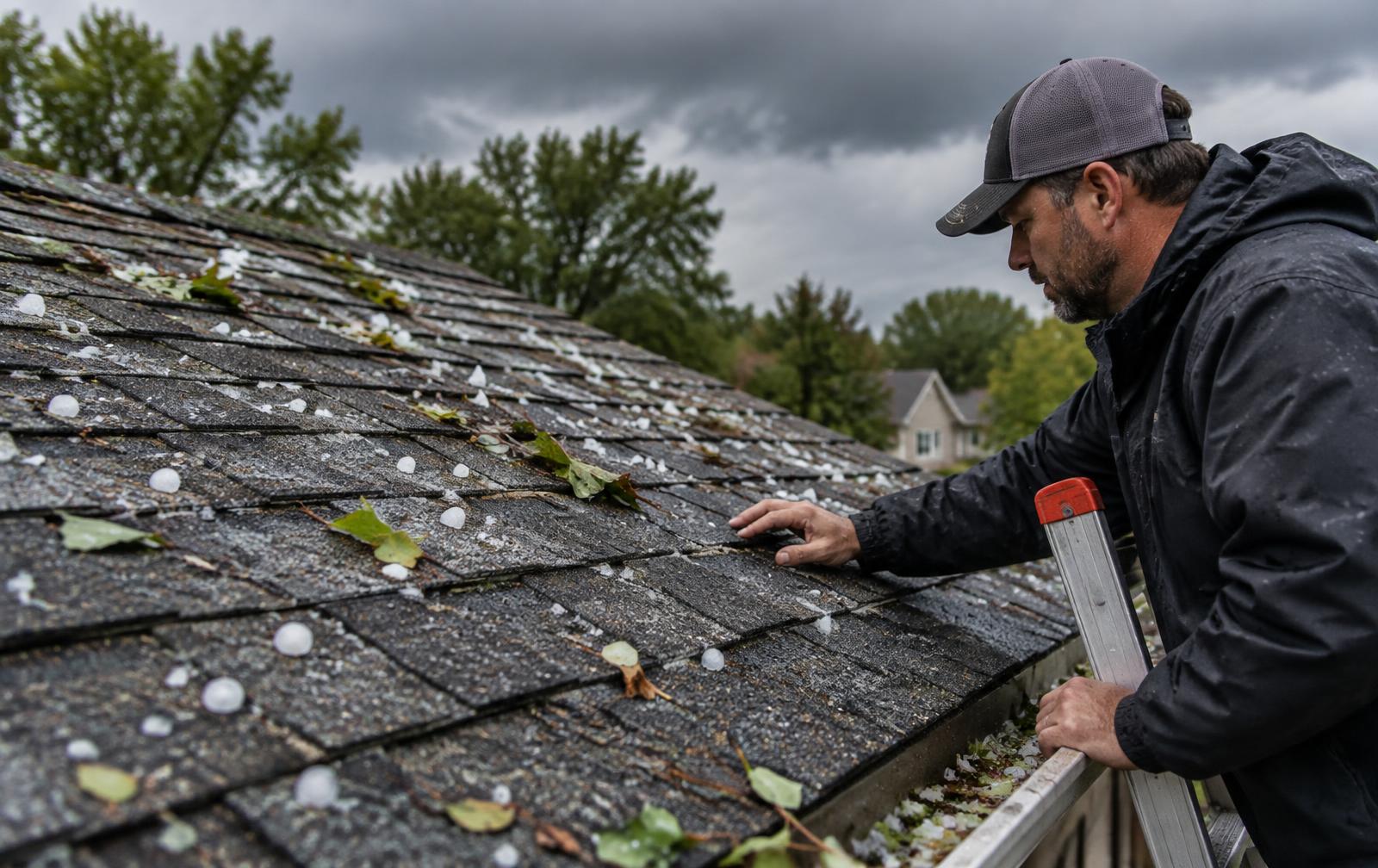
It cannot tell you that a specific roof has damage. Wind direction, roof material, age and even nearby trees change what happens on each house. Only an inspection shows real damage, and only the insurer decides whether a claim is covered.
Never tell a homeowner their roof is definitely damaged because a map says so. That can mislead people and break local rules on storm solicitation.
- Good for: where to look first
- Good for: timing outreach after a storm
- Not proof of damage on any one roof
- Not an insurance decision
03Features to compare
When you compare hail tools, focus on coverage area, how fast maps appear after a storm, history depth, alerts, address lookups, and how data moves into your CRM or canvassing app.
Ask how they handle false positives and whether they show confidence levels. Ask if you can export address lists, and whether there are limits on how many you can pull.
04Pricing questions to ask
Hail data is often sold by subscription, sometimes by region or number of users, and sometimes with extra fees for reports or address lists. Before you buy, ask for the full yearly cost for the area you actually work.
Ask whether there are seasonal plans, since storm season varies by region, and what happens to saved data if you cancel.
- Coverage area included
- Users included
- Report or address-list fees
- Contract length and seasonal options
- Data you keep after canceling
05Using hail data the right way
Start with your past customers inside the swath. A friendly check-in from the roofer who installed their roof is welcome, not pushy. Then plan inspections in the most likely areas.
Know your local rules. Many towns require solicitor permits, limit door-knocking hours, or regulate storm chasing. Some states have rules about contractors and insurance claims. Follow them.
Document everything. Date-stamped photos and inspection notes protect you and the homeowner.
06A storm-week playbook for roofing offices
Day one after a storm, confirm what happened using official storm reports and your hail tool. Pull a list of past customers inside the likely hail area and have the office call or text them to offer a check. Past customers trust you already, and a quick check-in is a service, not a sales pitch.
Day two and three, schedule inspections in the most likely neighborhoods first. Group appointments by area so crews and salespeople spend less time driving. Make sure every inspection follows the same documentation steps, with photos saved to the job file the same day.
Through the first two weeks, watch your phone and form leads closely. Storm weeks bring a surge of calls, and slow callbacks lose jobs to the next roofer. Add temporary help on the phones if needed, set an honest after-hours text, and keep your callback rule tight.
After the rush, review what worked. Which areas produced the most real damage? Which lead sources booked the most inspections? Those notes make the next storm easier.
07Rules and ethics for storm work
Storm work attracts out-of-town crews and high-pressure tactics, and many states and cities have responded with rules. Common examples include solicitor permits, door-knocking hours, contractor registration and limits on what contractors can do in an insurance claim. Learn the rules where you work before the storm, not after.
Be honest with homeowners. Show them photos, explain what you found, and let them decide. Never promise their insurance will pay, never offer to cover a deductible where that is illegal, and never pressure someone to sign on the spot. The roofers who last in storm markets are the ones neighbors recommend years later.
Good storm ethics also protect your reputation online. One angry review about a pushy salesperson can cost more jobs than a storm brings in.
08How to judge if a hail subscription pays off
Track every job that came from your hail tool. Note the area, the date, the lead source and the result. After a season, add up the gross profit from those jobs and compare it to the yearly cost of the subscription plus the time your team spent using it.
If the subscription clearly pays for itself, keep it. If not, consider free storm reports, past-customer outreach and inbound calls instead. The goal is not to have every tool; it is to spend money where it books real inspections.
09Understanding hail size and roof materials
Hail size matters, but so does the roof. Older asphalt shingles that have lost flexibility may bruise from smaller hail than a newer roof. Impact-resistant shingles are designed and tested to handle more. Metal roofs may dent cosmetically without leaking, and many insurance policies treat cosmetic damage differently from functional damage.
Wind speed and direction during the storm also change the result. A slope facing the storm may show heavy hits while the opposite slope looks clean. That is why every slope needs to be checked and documented on its own.
Teach your team to describe what they see rather than jump to conclusions from a map. The map tells you where to look. The roof tells you what happened.
10Turning storm data into a calm, organized office
Storm weeks are chaos for most roofing offices. Before storm season, set up a simple plan: who answers phones, who schedules inspections, how leads get assigned by area, and what the after-hours message says. Practice with a small storm before the big one hits.
Put every storm lead in one list with the storm date and area tagged. That lets you report later on which storms and areas produced real jobs, and which only produced calls. It also keeps follow-up from slipping when the rush is over and homeowners are still waiting on their insurer.
Finally, do not forget the leads who were not ready. A homeowner who said 'not now' after a storm may be ready months later when their claim settles. A short, respectful follow-up plan turns those into jobs.
11What a missed lead really costs
A missed call is not just one lost job. It is the marketing money you spent to make the phone ring, the referral that job would have produced, and the review that would have helped you win the next one. When owners add those up, the true cost of a slow callback is usually much higher than they expected.
Use the calculator on this page with your own numbers. Enter how many calls and forms you get, how many slip through, your close rate and your average job. The result shows sales you never got the chance to quote. Then pick one change, like a shared lead list or an after-hours text, and measure the difference next month.
12Plan your storm season budget
Storm work is uneven. Some years bring several large hail events to your area and some bring almost none. Build your storm budget around that. Decide ahead of time what you will spend on hail data, temporary help, canvassing and inbound leads, and what results would justify spending more. Keep a cash reserve for the busy weeks, since material and labor costs come before insurance payments arrive. A planned budget keeps you from overspending in a quiet year or missing out in a busy one.
13Free storm information worth bookmarking
Before paying for any subscription, learn the free sources. The National Weather Service issues severe thunderstorm warnings and collects local storm reports, including hail reports from trained spotters and the public. NOAA's Storm Prediction Center publishes daily storm reports and outlooks that show where severe weather is expected and where it was reported.
These sources are less polished than paid hail maps and take more work to use, but they are official and they confirm that a storm actually happened on a given date. Many roofers check them first, then use paid tools when they need address-level detail or faster maps.
Keep a simple storm log: date, area, reported hail size and source. Over a few seasons you will see patterns in where storms hit your service area, which helps you plan marketing and staffing before the next season.
14Hail maps find areas. Inbound calls find people ready to talk.
Canvassing after a storm works, but it is hard, slow and crowded. Every crew in the region is knocking on the same doors. A different path is to be the roofer homeowners find when they search after a storm.
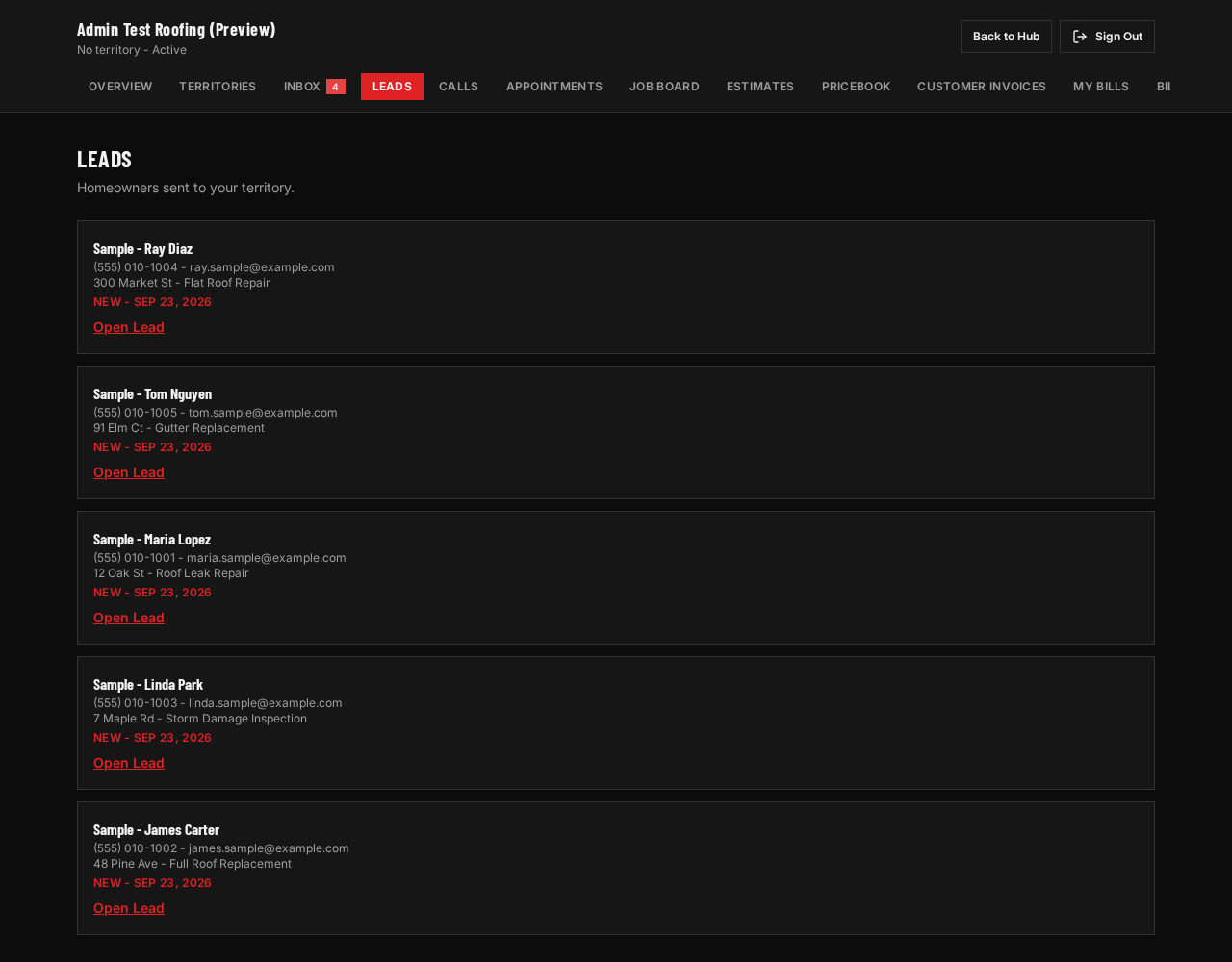
When you rent a territory from us, calls and forms from that local roofing site go to you. After a storm, people who search and call are already asking for help. We do not promise storm volume or rankings, and terms are set in your written agreement. Use the calculator below to see what missed calls during a storm rush can cost.