Insurance Work Starts With a Property Owner, Not a Coverage Promise
A contractor can document roof conditions and build an estimate. The carrier and policy decide coverage. Mixing those roles creates bad expectations before the first inspection.
Build insurance-related roofing demand through consented property-owner inquiries, local storm education, referral relationships you are allowed to use, and strong documentation. Do not promise insurer referrals or coverage.
Roofing demand still has to fit the property, crew, and service area.STEP 1
Know the lead source
A homeowner asking for help is different from a purchased claims list or a formal referral channel.
Consented homeowner inquiry
Local search or ad
Past-customer referral
Agent or professional relationship with verified rules
Bought data that needs legal and consent review
STEP 2
Stay in the contractor lane
Document what you can see and price the work you propose.
Photos and measurements
Observed condition
Scope and estimate
Appointment history
No coverage decision
No promise of claim approval
STEP 3
Build useful follow-up
Insurance work can have inspections, adjuster visits, supplements, and decision delays.
Date of loss as reported
Carrier and claim details when provided
Adjuster appointment
Estimate and documents
Next action and owner
FROM THE FIELD
Trade example: condition, scope, coverage
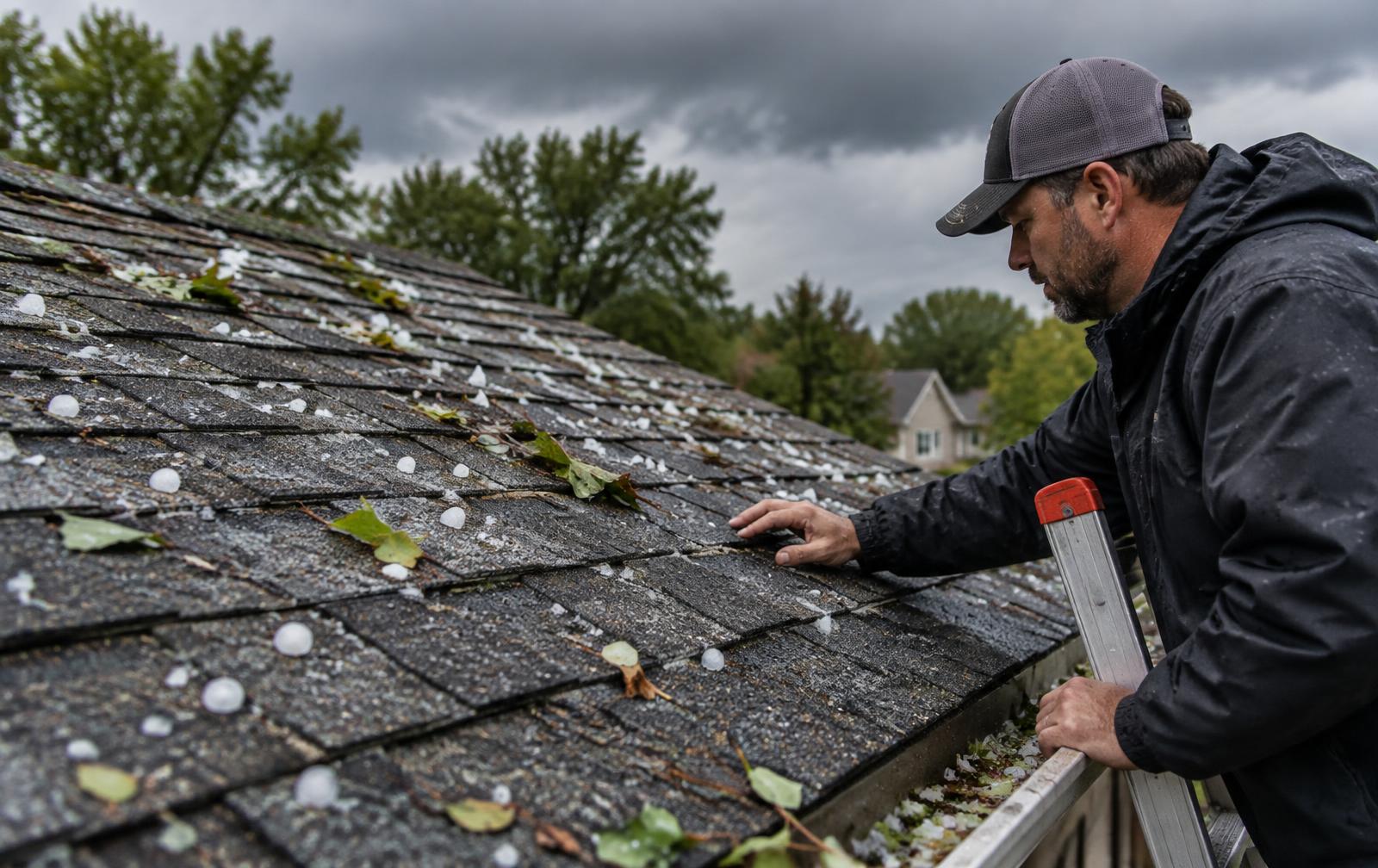
The roofer records creased shingles and flashing damage, writes a repair or replacement scope, and shares documents. The contractor does not tell the homeowner what the policy must cover.
REAL PLATFORM VIEW
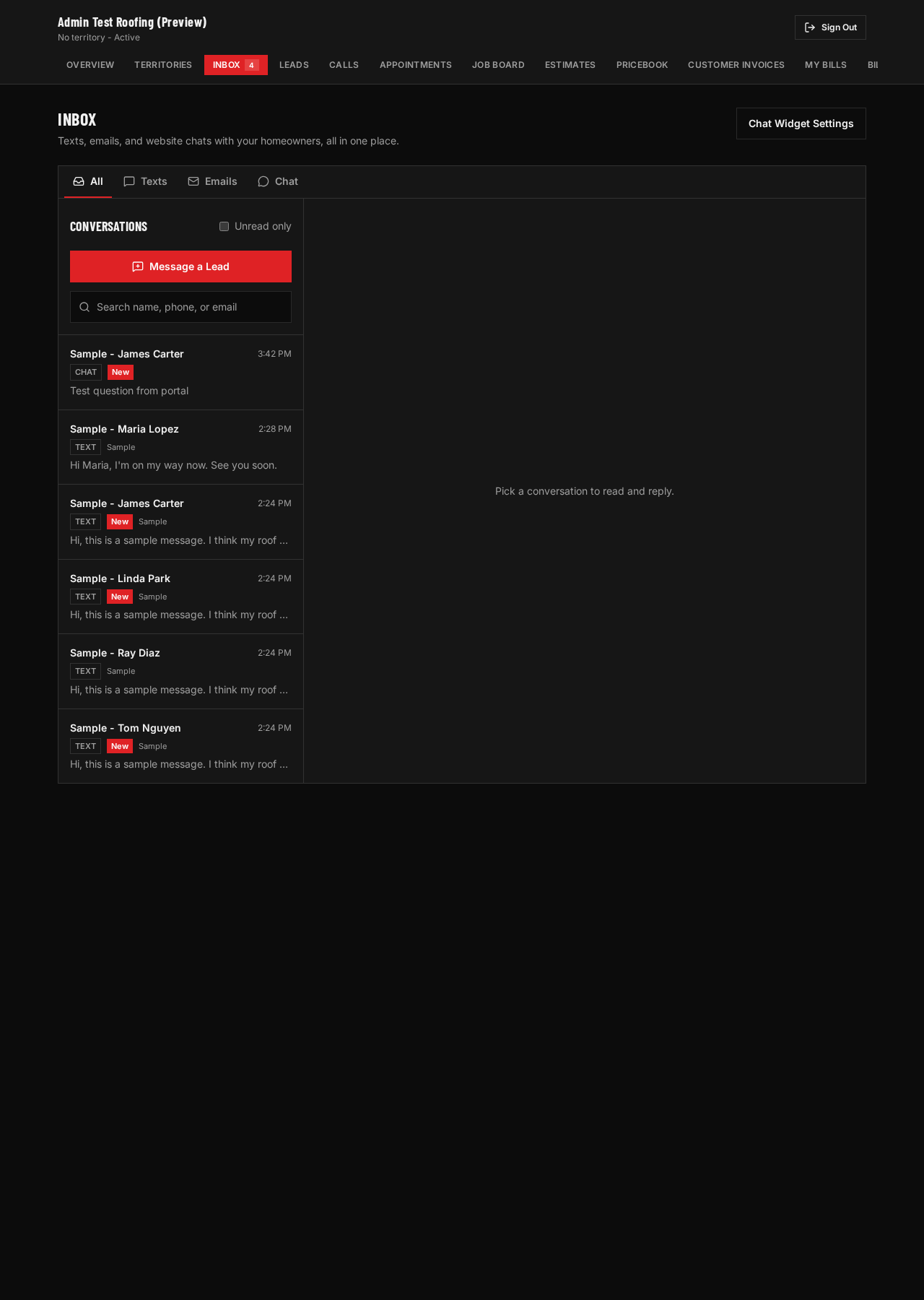
The lead stays connected to the work.
This screenshot comes from the actual Roofer Back Office in a labeled sample account. It is not an AI-made dashboard. Sample names and 555 phone numbers are used; no real homeowner data appears.
Insurance Work Starts With a Property Owner, Not a Coverage Promise
Licensed stock narration. Real roofing context. Real platform screens with labeled sample data.
Read transcript
A contractor can document roof conditions and build an estimate. The carrier and policy decide coverage. Mixing those roles creates bad expectations before the first inspection. Build insurance-related roofing demand through consented property-owner inquiries, local storm education, referral relationships you are allowed to use, and strong documentation. Do not promise insurer referrals or coverage. A homeowner asking for help is different from a purchased claims list or a formal referral channel. Document what you can see and price the work you propose. Insurance work can have inspections, adjuster visits, supplements, and decision delays. The roofer records creased shingles and flashing damage, writes a repair or replacement scope, and shares documents. The contractor does not tell the homeowner what the policy must cover. Here is how it works with us. You rent a territory. Calls and forms from a network-owned site route into your Roofer Back Office. Each lead keeps its source. From the lead page you can book the inspection, build an estimate from your own pricebook, and follow the job to revenue. The screen you see is the real Back Office with labeled sample data. A lead is not a sold job, and we do not promise one. Check My Territory to see if your market is open.
Some referral or vendor programs may exist, but do not assume access. Verify each program's current rules, licensing, insurance, and onboarding requirements.
Can I buy claims lists?
Treat claims data as high-risk. Verify legality, source, consent, privacy, and contact rules before using any list.