Roofing Leads Should Feed Your Crew, Not Eat Your Day
You run a roofing crew. You should not need a second job chasing bad leads, checking five apps, and guessing which ad made the phone ring.
The best lead system for a roofing company matches demand to your service area, records the source, routes the call fast, and follows the lead through inspection, estimate, sold job, and revenue.
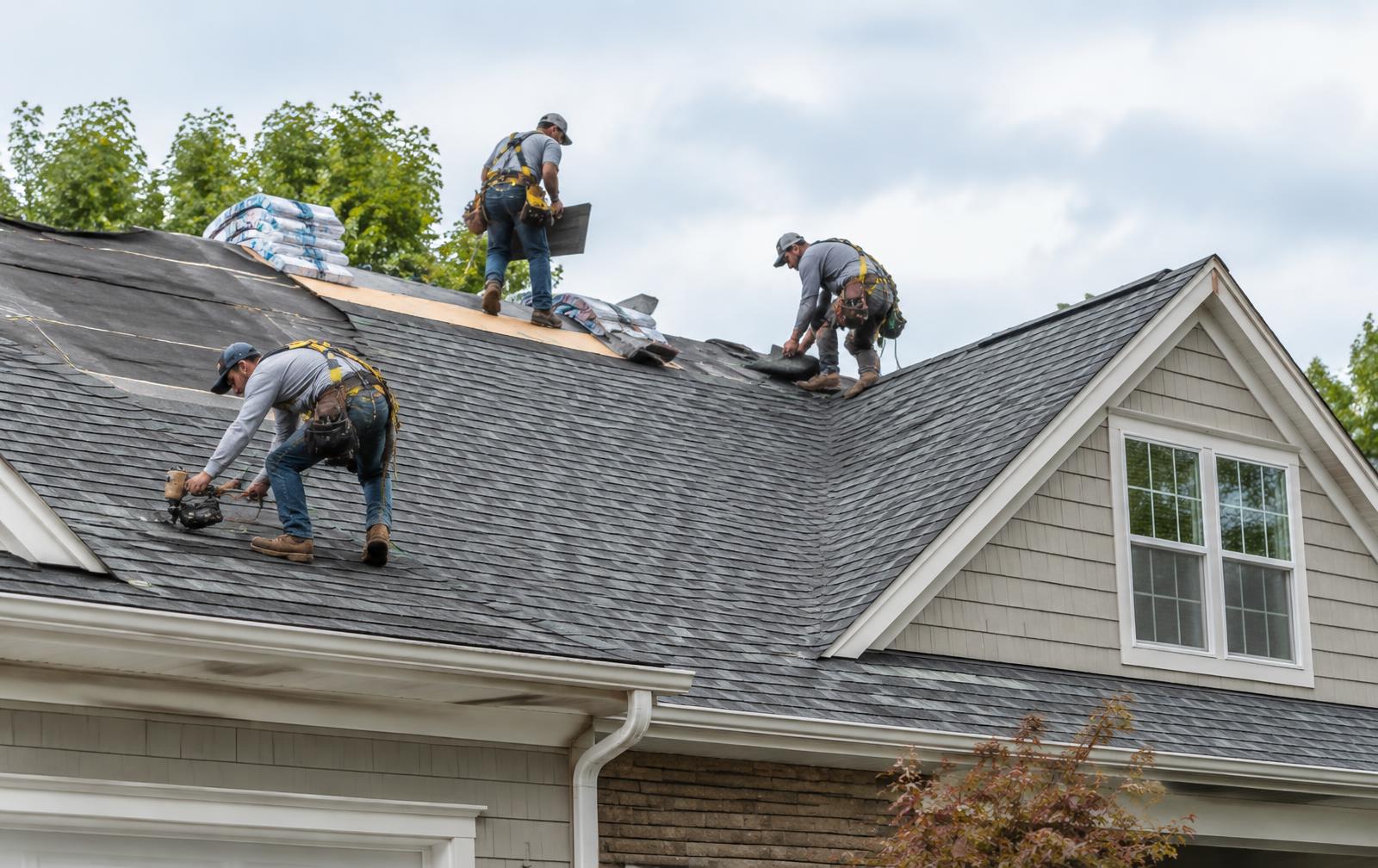
Roofing demand still has to fit the property, crew, and service area.01
A lead is the start, not the product
A name and phone number are not enough. Your team needs the property, service need, source, territory, next action, and a clean handoff into the job file.
Calls and forms tied to a territory
Booked inspections and follow-up in one place
Source tracked through sold jobs
No homeowner lead mixed into the partner pipeline
02
Choose the buying model that fits
Some crews want calls. Some want form leads. Some want the full territory system. The right choice depends on answer speed, sales coverage, job mix, and production room.
Pay per call: $97 per qualified call
Site rental: $997 per site each month
Site setup: $497
New territory: $497; final terms depend on approval and agreement
03
What to ask every lead company
Ask who gets the inquiry, what counts as billable, how disputes work, and whether the company can show the path from source to job.
Is the lead shared?
What property and consent data is included?
Can I hear calls and see missed calls?
Can I tie revenue back to the territory?
FROM THE FIELD
Trade example: the 35-minute drive
A repair call outside your service radius can burn more margin than the lead cost. Territory routing stops the wrong drive before dispatch, while the job board keeps the right lead moving.
REAL PLATFORM VIEW
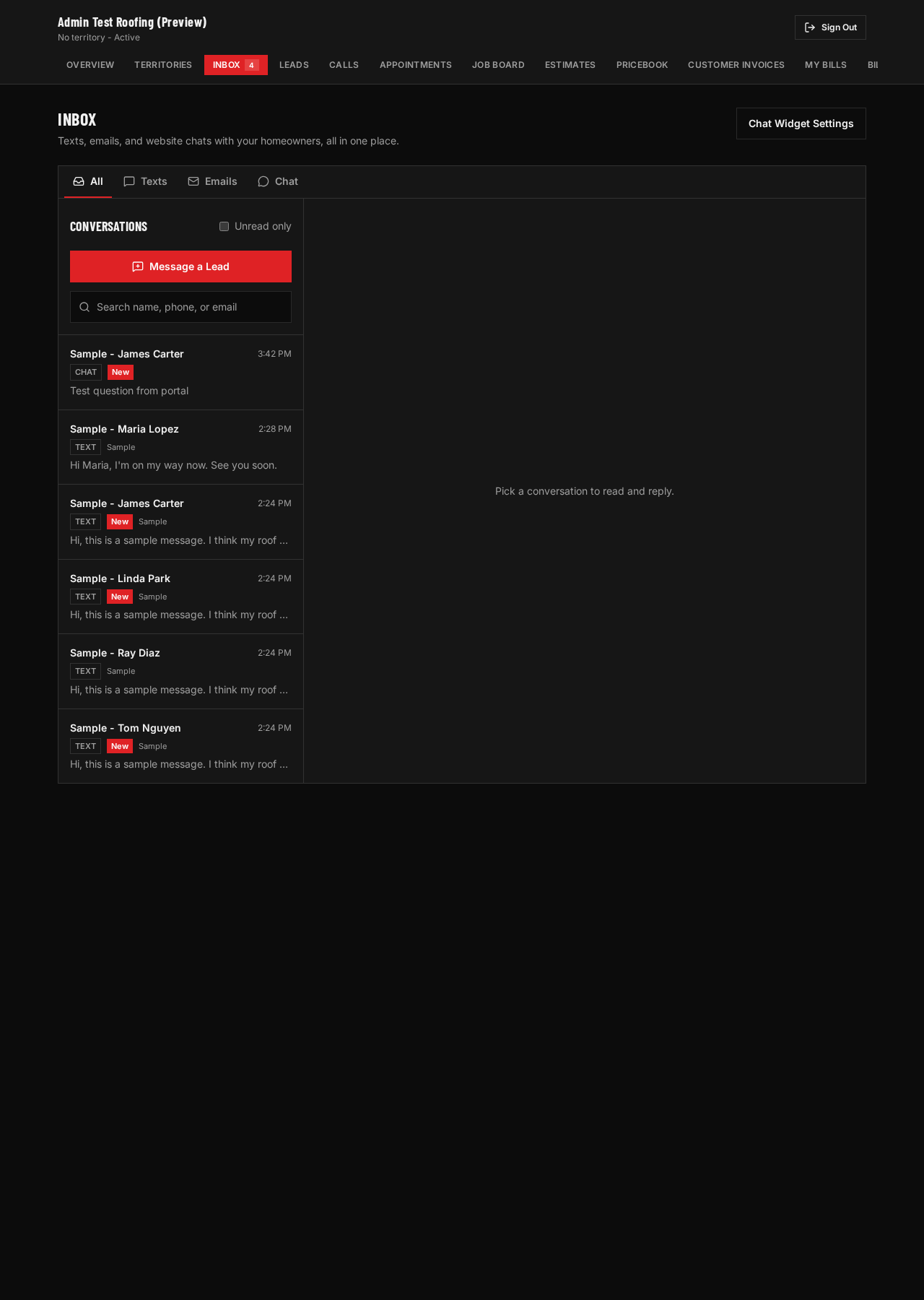
The lead stays connected to the work.
This screenshot comes from the actual Roofer Back Office in a labeled sample account. It is not an AI-made dashboard. Sample names and 555 phone numbers are used; no real homeowner data appears.
Roofing Leads Should Feed Your Crew, Not Eat Your Day
Licensed stock narration. Real roofing context. Real platform screens with labeled sample data.
Read transcript
You run a roofing crew. You should not need a second job chasing bad leads, checking five apps, and guessing which ad made the phone ring. The best lead system for a roofing company matches demand to your service area, records the source, routes the call fast, and follows the lead through inspection, estimate, sold job, and revenue. A name and phone number are not enough. Your team needs the property, service need, source, territory, next action, and a clean handoff into the job file. Some crews want calls. Some want form leads. Some want the full territory system. The right choice depends on answer speed, sales coverage, job mix, and production room. Ask who gets the inquiry, what counts as billable, how disputes work, and whether the company can show the path from source to job. A repair call outside your service radius can burn more margin than the lead cost. Territory routing stops the wrong drive before dispatch, while the job board keeps the right lead moving. Here is how it works with us. You rent a territory. Calls and forms from a network-owned site route into your Roofer Back Office. Each lead keeps its source. From the lead page you can book the inspection, build an estimate from your own pricebook, and follow the job to revenue. The screen you see is the real Back Office with labeled sample data. A lead is not a sold job, and we do not promise one. Check My Territory to see if your market is open.
Our territory routing is designed for the approved roofer in that market. Exact exclusivity comes from the signed territory agreement, not a blanket website promise.
Can I see what happens after the lead arrives?
Yes. The Roofer Back Office connects leads, calls, appointments, estimates, jobs, invoices, and territory performance.