THE PROBLEMThe problem nobody puts in the demo
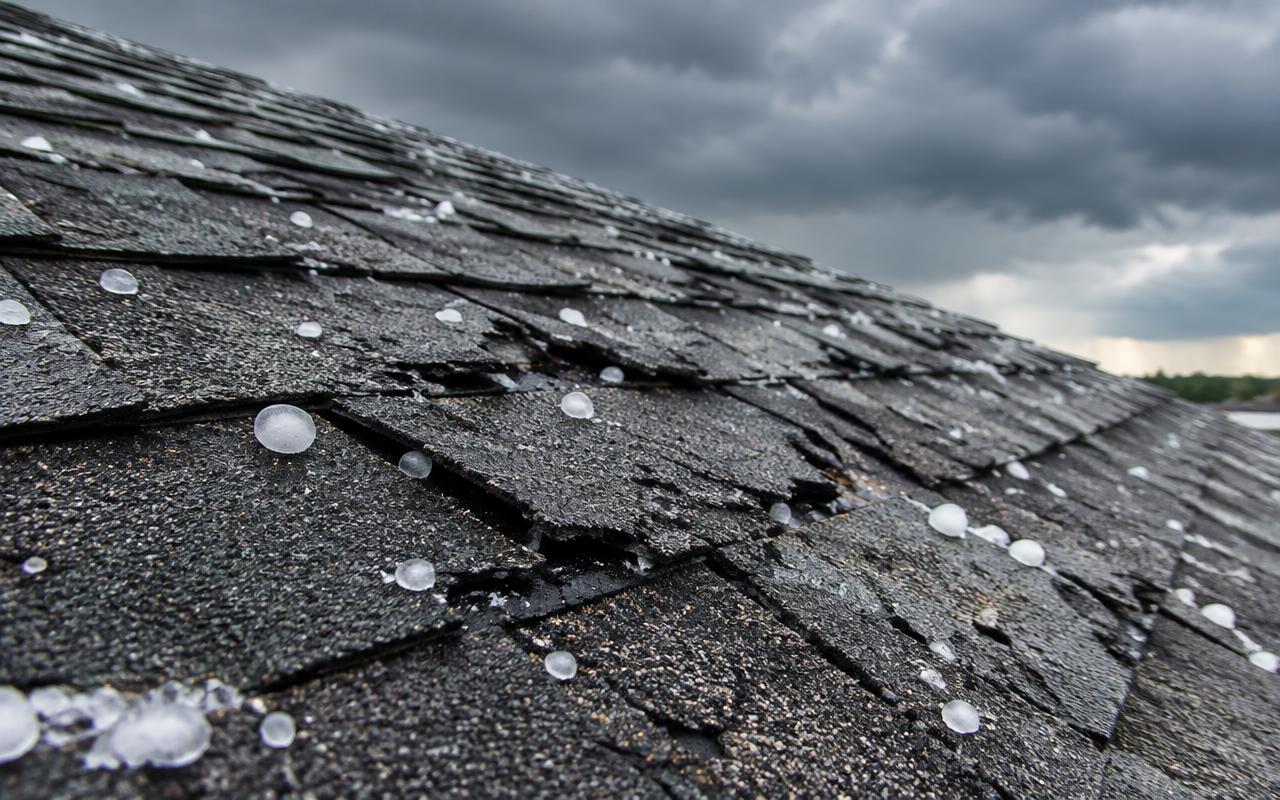
After a hailstorm, there are two kinds of homeowners. Some wait to see who knocks. Others take action. They go online and search hail damage roof inspection, roof inspection after hail, or roofer near me. They want a trusted local company to come look and tell them the truth.
That second group is gold for a roofer. They are worried enough to act, they have asked for someone to come out, and they expect to hear back. Half of the sale, getting permission and attention, is done before you arrive.
The problem is who gets those requests. Many inspection leads online are captured by lead sellers who pass them to several roofers at once. The homeowner who asked for one inspection suddenly gets five calls. The roofers race. Most lose.
Other roofers never see these requests at all, because they spend storm week knocking doors instead of being where homeowners search.
LET'S BE HONESTWhat it is really costing you
Think about how much effort it takes to get a cold homeowner to agree to an inspection at the door. Knock after knock, pitch after pitch, through a neighborhood crowded with other companies. Now think about the homeowner who requested an inspection online and got routed to someone else.
Shared inspection leads also create pressure to overpromise. When several roofers compete for one inspection, some will hint that the roof is surely totaled or that insurance will pay for everything. That hurts homeowners and makes honest roofers look slow.
And when you rely on door knocking for inspections, the work stops when the storm buzz stops. No buzz, no inspections, no pipeline.
The cost is real: wasted hours, lost inspections, thinner margins and a reputation lumped in with the storm swarm.
THE FAILED FIXWhy more data never fixed it
Many roofers try to win inspections with hail maps, canvassing apps and scripts that push homeowners to say yes on the porch. Others buy inspection leads from sites that share them.
These tactics can produce some inspections. They also produce competition at every step. Your competitors have the same maps, the same apps and access to the same lead sellers.
None of it puts you where the most motivated homeowners look: the search they make when they decide to get their roof checked.
THE REAL FIXOwn the call, not just the map
Own the inspection search in your town. Rent Roofing Sites builds and ranks local roofing sites for specific towns. When a homeowner searches for a hail damage roof inspection and calls or requests one, the lead routes to one roofer: the company holding the territory.
You get the homeowner's name, phone, property ZIP and roofing problem, plus permission to follow up because they asked. No race against four other companies for that request.
Then you do what good roofers do: inspect honestly, document what you find, and explain the options. If there is damage and the homeowner decides to file a claim, you can help them understand the process. If there is no damage, you tell them that too, and earn trust for the future.
01Why inspection requests are such strong leads
A homeowner who asks for an inspection has already decided they want a professional opinion. They have time set aside in their mind for it. They are open to hearing what you find.
That makes the conversation easier and more honest. You are not convincing someone to let you on the roof. You are answering a question they asked.
- Permission: they asked you to come.
- Attention: they are expecting your call.
- Trust: they found you, not the other way around.
02What an honest hail inspection looks like
A good hail inspection checks shingles, ridge caps, vents, flashing, gutters and soft metals for impact marks. It looks for bruising, cracked or missing granules, and damage to other parts of the property that can support the timeline. Photos and clear notes matter.
It also includes honesty. Not every storm damages every roof. Some marks are wear, not hail. Telling a homeowner the truth, even when there is no claim, builds the kind of reputation that brings referrals for years.
03Inspections and insurance claims
Many homeowners ask about insurance during an inspection. It is their decision whether to file a claim. Your job is to document what you see and explain it clearly. Some roofers also meet the adjuster when the homeowner asks.
Be careful not to promise what insurance will pay. Each policy is different. Honest guidance protects the homeowner and your company.
04Why shared inspection leads hurt everyone
When one inspection request goes to several roofers, the homeowner gets flooded with calls and often picks whoever reached them first, not whoever is best. Roofers pay for leads they rarely win, and quality suffers as companies race.
Routing each request to one roofer is better for the homeowner and makes the economics work for you.
05How the exclusive territory works
We build a local roofing website for your town and work to rank it for searches like hail damage roof inspection and roof inspection after a storm. It has a local number and a short form that asks for name, phone, property ZIP and roofing problem.
Each lead is saved first so it is never lost, then routed to the roofer holding the town. You see it in your portal and can get it in your CRM, email or text where supported.
06Using hail maps during the inspection, not before it
Hail maps and NOAA storm reports still have a place. Once a homeowner requests an inspection, storm history can help you explain when hail likely fell and support your documentation.
Just be clear that a map shows a storm likely passed nearby, while your inspection shows what actually happened to the roof.
07Honest limits of the pilot
We do not guarantee a number of inspection requests. Demand depends on weather, season and town. We do guarantee exclusivity during the pilot, tracking of every routed lead, and written terms before any paid plan.
08Who should apply
Licensed and insured roofing companies that do thorough, honest inspections, answer the phone quickly, and want to be the local name homeowners trust after storms.
- Serves the town you want to hold.
- Documents inspections with clear photos and notes.
- Gives honest answers, even when there is no damage.
09Next step
Choose the town you want. Apply for the Free Exclusive Territory Pilot. If it is open, inspection requests from our local site there go to you, and nobody else from us.
10Two roofers, two kinds of inspections
Roofer A spends storm week knocking doors. After dozens of conversations, a few homeowners agree to let him climb up and look. Several are skeptical the whole time, and one is already talking to another company. He works hard for every inspection he gets.
Roofer B holds a territory. Homeowners in her town search for a hail damage roof inspection and call the local site. Each call goes to her. Her team books inspections with homeowners who asked, who are expecting the visit, and who want an honest opinion. Her inspections are calmer, faster, and far more likely to lead to work.
11Making the inspection visit count
Arrive when you said you would. Explain what you will check before you climb. Take clear photos of shingles, vents, flashing, gutters and soft metals. Show the homeowner what you found and what it means in plain words.
If there is real damage, explain the options, including repair, replacement and whether they may want to talk with their insurance company. If there is no damage, say so. Homeowners remember roofers who told them the truth.
- Be on time and explain the plan.
- Photograph everything you point out.
- Give honest options, including no work needed.
12Inspection requests between storms
Inspection searches do not only happen after hail. Homeowners request roof inspections when buying or selling a home, after a wind event, when they notice a stain on the ceiling, or simply because the roof is getting old.
A ranked local site answers all of those searches. That keeps a steady flow of inspection requests coming into your territory between storms.
13Tracking inspections to results
Every routed request appears in your roofer portal with the homeowner's details and roofing problem. You can mark each one as contacted, appointment, estimate, won or lost. Over the pilot, that shows you exactly how inspection requests from your territory turn into work.
14How an inspection request reaches you
A homeowner in your territory searches for a hail damage roof inspection and finds our local site. They call or fill out the short form with their name, phone, property ZIP and roofing problem. The request is saved the moment it arrives, so it cannot be lost, then routed to your company alone.
You see it in your portal, with a recording when available, and can receive it in your CRM, email or text where supported. If a delivery ever fails, the lead stays safe in our system and still shows in your portal.
From there you call, book a time, and do the honest inspection the homeowner asked for.
15What happens at the end of the pilot
When the pilot ends, you review every routed request and decide whether to keep the territory. Any paid terms are written for you before they start. If it is not a fit, you walk away. No long contract to begin.
16Three inspection-lead myths
Myth one: inspection leads are low value because some roofs are fine. A homeowner you treat honestly today becomes a referral and a future customer. Honest no-damage visits build the reputation that brings the next call.
Myth two: you need a hail map to find inspection work. The most motivated homeowners find you by searching. The map is useful during the visit, not before it.
Myth four: homeowners only want inspections right after hail. They also ask before selling a home, after wind storms, when they spot a ceiling stain, or when the roof just looks old. A ranked local site answers all of those searches.
Myth six: a no-damage visit is wasted time. It is often the visit homeowners talk about most. When a roofer climbs up, takes photos, and says your roof is fine, people remember that honesty. They call back when the roof does need work, and they send friends who want the same straight answer.
Myth five: an inspection is just a step before the sale. For the homeowner, it is the answer to a worried question. Treat it that way, and the sale often follows.
Myth three: shared inspection leads are fine if you are fast. When several roofers chase one request, the homeowner gets overwhelmed and the price gets squeezed. One request, one roofer works better for everyone.