THE PROBLEMThe problem nobody puts in the demo
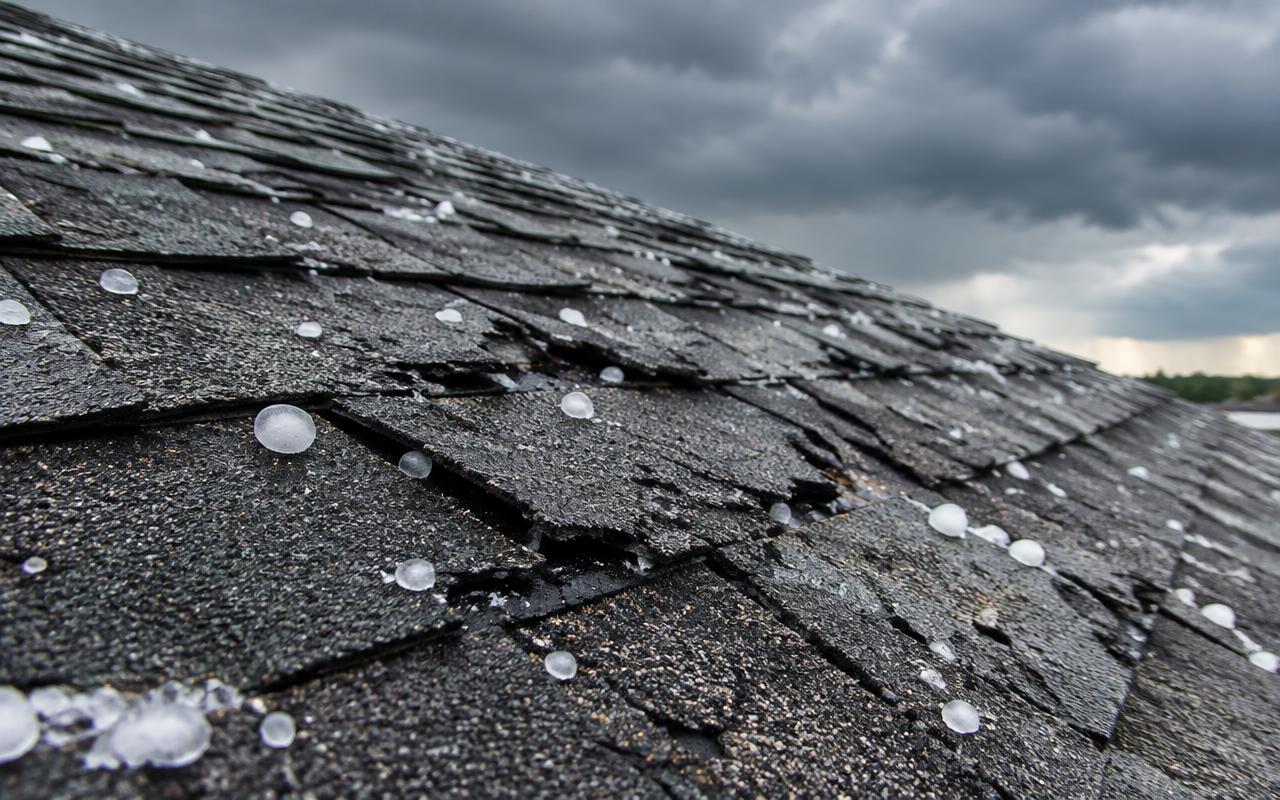
Denver roofers live under one of the busiest hail corridors in North America. From late spring through summer, afternoon storms build over the foothills and roll east across Golden, Lakewood, Littleton, Aurora, Parker and Castle Rock. On a bad afternoon, the Denver hail map turns into a streak of color that runs right through tens of thousands of homes.
For a local roofer, that streak looks like a season of work. And it can be. But the same streak shows up on every storm company's screen in Colorado, and on screens in neighboring states too. The Front Range is famous for hail. Famous markets attract crowds.
The result is predictable. Within days, the neighborhoods under the swath fill with trucks, door knockers, yard signs and flyers. Homeowners get pitched again and again by companies they have never heard of. The roofers who actually live and work in the metro end up fighting for attention on the same doorsteps as everyone else.
The hail map is not the enemy. It is just incomplete. It tells you where ice fell from the sky. It cannot tell you which homeowner wants a roofer today, which one already signed, or which one is a renter who cannot make the call.
LET'S BE HONESTWhat it is really costing you
Think about how a Denver storm week usually goes. The map updates. You plan routes. Your reps hit the swath early. By the second day, they are seeing door hangers from three other companies on every handle. By the third day, homeowners are answering with a tired look, or not answering at all. The good conversations shrink while the costs keep running.
Colorado homeowners are savvy about storm season. Many have been through more than one hail claim. They know the out-of-town crews by now, and they are wary. That wariness hits the honest local roofer too. You knock on the same door as a fly-by-night crew, and you start the conversation from the same place of suspicion.
Then there is price. Crews that plan to leave after the season can bid lower because they will not be around for callbacks. You have a reputation in the metro to protect. You cannot match a number that only works if nobody ever answers the warranty phone. So you either cut margin or lose the job.
And when the summer ends, the hail map goes quiet. The swarm leaves. The neighborhoods you fought over are mostly signed. If your whole pipeline was built on chasing swaths, you face a long, slow winter waiting for the next storm.
THE FAILED FIXWhy more data never fixed it
The usual fix is more data. Finer radar swaths, faster alerts, address lists inside the polygon, canvassing apps that map every door. Many Denver roofers pay for several of these tools at once.
They help you move faster. They do not help you move alone. Your competitors can buy the same subscriptions, and many of them already have. When everyone sees the same swath at the same moment, the swath is not an edge. It is a starting gun for a race nobody wins cleanly.
No amount of storm data changes the basic shape of the work. You still have to find the homeowner, earn trust cold, and beat competitors on the porch. Better maps make that race faster. They do not end it.
THE REAL FIXOwn the call, not just the map
The fix is to be the roofer homeowners find on their own. After a storm, many Denver homeowners do not wait for a knock. They search on their phone for roof repair, hail damage roofer, or roofer plus their town. Whoever ranks for that search gets the call.
Rent Roofing Sites builds and ranks local roofing websites for specific towns, such as Highlands Ranch, Parker, Arvada or Broomfield. Calls and forms from that site route to one roofer: the company that holds the territory. Nobody else gets that homeowner from us.
When the homeowner calls you, the dynamic flips. You did not interrupt them. They asked for help. The conversation starts with permission, and the swarm on the street does not matter for that job.
01Why the Front Range gets so much hail
Warm, moist air from the plains meets the rising terrain of the Rockies, and summer afternoons often build strong thunderstorms right over the foothills. Those storms then drift east over the most populated part of the state. That pattern is a big reason Colorado ranks among the most hail-prone states in the country.
For roofers, it means hail is not a once-a-decade event. It is a regular part of the calendar. That regularity is why so many storm companies treat Denver as a must-visit market, and why local roofers feel more crowded every year.
02What a Denver hail map is built from
Most hail maps start with NOAA's NEXRAD radar network. Dual-polarization radar helps estimate where hail is likely and roughly how large. Many tools add hail size estimates such as MESH, plus public storm reports from spotters and the National Weather Service.
Those are solid inputs for understanding a storm. They are still estimates drawn over a map. Mountain terrain, storm speed and radar angle all add uncertainty. Some homes inside a swath have no damage. Some just outside it do. And no radar knows who lives in a house or whether they want help.
- Radar estimates where hail likely fell, not roof-by-roof damage.
- Storm reports confirm hail in an area, not on a specific address.
- Ownership, intent and competitor activity never appear on a hail map.
03The real math of a summer storm push
Add up everything a storm campaign really costs. Map tools. Canvasser pay. Fuel and truck time. Signs and door hangers. The extra discount you gave to beat a low bid. Then divide by the number of jobs you actually signed from that push.
Now compare that number to the jobs that started with a homeowner calling you. For most roofers, inbound jobs close faster, hold better margins and cost less to win. That gap is why owning the inbound channel in your town matters more than owning the best map.
04How an exclusive town works in the Denver metro
We pick a town, build a local roofing site for it, and work to rank that site for real homeowner searches. The site has a local number and a short request form that asks for name, phone, property ZIP and the roofing problem.
Every call and request is saved in our system first so nothing is lost. Then it is routed to the roofer holding that town. You see the details in your portal and, if you want, in your own CRM. We never sell that same homeowner to other roofers.
05Honest limits of the pilot
We do not guarantee a number of calls. Rankings take time, storms vary year to year, and every town is different. What we guarantee is that routed calls from your territory go only to you during the pilot, that you can see every one, and that any paid terms afterward are written down before they begin.
If the calls are not worth it to you, you walk away. That is the whole point of a pilot.
06Who should apply
This is built for established Denver-area roofing companies that answer their phones, show up when they say they will, and want steady local work instead of chasing swaths across the state. It is a strong fit for companies that do inspections, repairs and replacements and want to keep their own systems.
- Licensed and insured for the towns you want to serve.
- Able to answer or call back homeowners quickly.
- Plans to be in the metro long after this storm season.
07Winter is where territories pay off
When hail season ends, the swarm leaves. Homeowners do not stop needing roofers. Ice dams, wind damage, aging shingles and slow leaks keep them searching through fall and winter. A ranked local site keeps answering those searches.
That means your territory keeps producing when hail maps are blank. Instead of a short storm spike followed by a long drought, you get a steadier base of local calls.
08Try this before you apply
Search roof repair plus your target town on your phone. Notice who shows up. Notice how many results are lead sellers who pass one homeowner to several roofers. Then picture every caller from that search reaching only your office.
If that picture is worth testing, apply for the pilot. We will tell you honestly whether your town is open.
09Keep the map as context
You can keep your hail tracker. It is still useful for knowing when a storm hit your area and for talking with homeowners and adjusters. The change is that the map stops being where your jobs come from. Your jobs come from homeowners who found you and called.
10Two Denver roofers, one July storm
Picture two roofers in the south metro. A July storm drops hail across Highlands Ranch and Lone Tree. Roofer A sees the swath on his tracker that night and sends four reps out at dawn. By noon, his reps are running into crews from three other companies on every street. Homeowners are polite but tired. A handful agree to inspections.
Roofer B holds the Highlands Ranch territory. The same morning, her office phone starts ringing with homeowners who searched for a hail roof inspection and found the local site. Her team spends the day scheduling inspections for people who asked. Same storm, same streets. The difference is not hustle. It is where each company stands when the homeowner decides to act.
11Questions to ask any Denver lead source
Before you pay for leads anywhere on the Front Range, ask who else gets the same homeowner, whether you can hear the call, what happens when a lead is outside your area, and what the terms say in writing. Our answers are simple: routed leads from your territory go only to you, recordings show in your portal when available, and terms after the pilot are written before they begin.
Then look at what happens when the pilot ends. You review every call and form routed to you from your Denver-area town and decide whether to keep it. Paid terms are written for you to read before they start. If the territory is not worth it, you walk away with no long contract.