THE PROBLEMThe problem nobody puts in the demo
Minnesota roofers work on a clock most of the country does not have. Winter cold limits shingle work for months. Spring can be wet and unpredictable. That leaves summer and fall as the heart of the roofing year, right when big hailstorms tend to roll across the state.
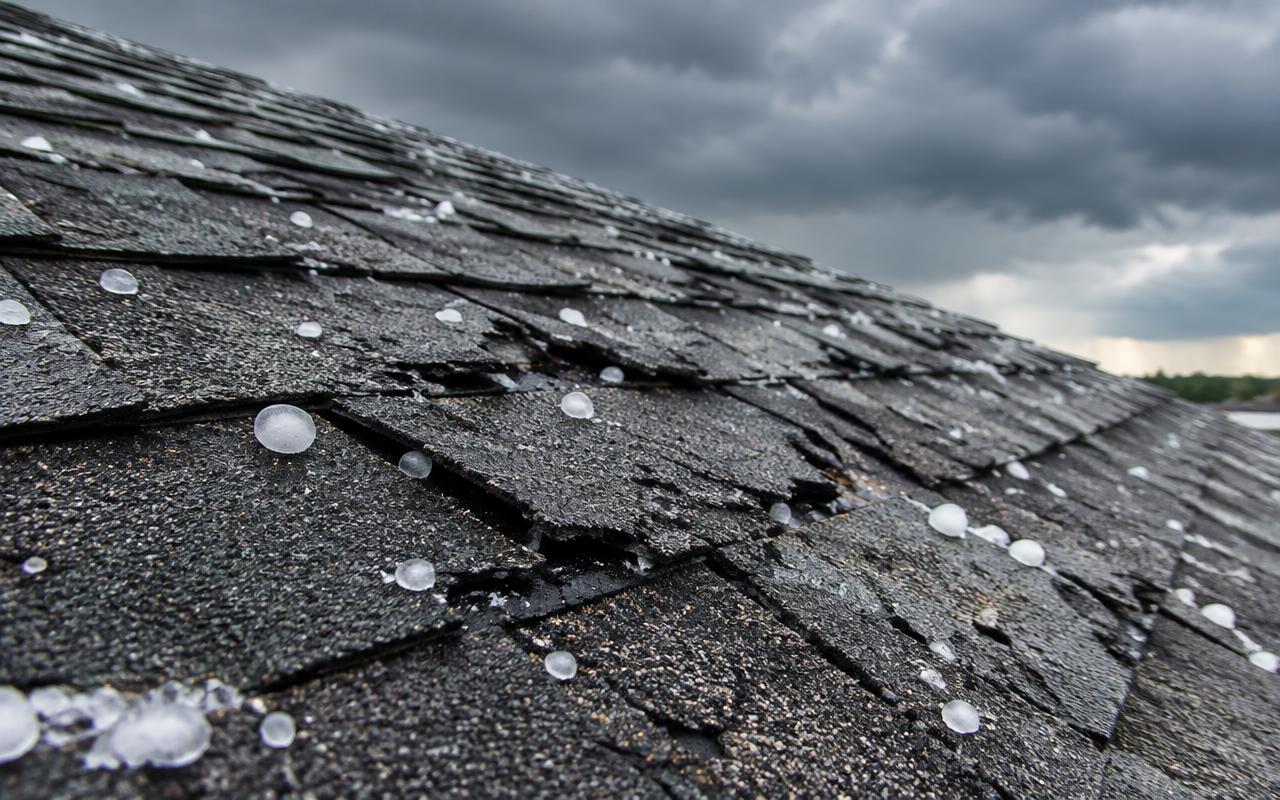
When a summer storm drops hail on the Twin Cities suburbs, Rochester or St. Cloud, the Minnesota hail map lights up and the race begins. Local companies see it. So do storm crews from the Dakotas, Iowa, Wisconsin and much farther away. The Twin Cities metro is big enough to make the trip worth it.
For a local roofer, that means your most valuable weeks of the year get crowded fast. Every day spent fighting over the same swath is a day of good roofing weather you cannot get back.
And the hail map, as useful as it is, only shows weather. It cannot tell you which homeowner wants a roofer, who already signed, or which home is a rental where the tenant cannot approve work.
LET'S BE HONESTWhat it is really costing you
Think about a big summer storm in the west metro. Within days, Maple Grove, Plymouth, Eden Prairie and Woodbury fill with signs, flyers and door knockers. Minnesota homeowners are polite, but they are not pushovers. Many start ignoring knocks. Some HOAs and cities remind residents to check contractor licenses. Your honest crew gets lumped in with the crowd.
Minnesota also requires residential roofers to be licensed by the state. That protects homeowners, and it is a real advantage for licensed local companies. But at the door, a homeowner cannot always tell who is licensed and who is passing through. Trust drops for everyone.
Then the weather turns. By late fall, the window is closing. Crews that chased swaths all summer face a backlog they may not finish before the snow. Homeowners who waited get frustrated. Margins slip as companies rush.
And in winter, the hail map goes blank. If your whole pipeline came from storms, you start the next season from zero.
THE FAILED FIXWhy more data never fixed it
Most Minnesota roofers respond with more storm data: better swaths, faster alerts, address lists, canvassing apps. Some buy several tools to get an edge.
Those tools help you move faster. Your competitors can buy them too, including the crews who drive in from other states. A faster race is still a race, and it eats your short season.
No storm tool tells you which homeowner wants you. In a state where every week of good weather matters, guessing is expensive.
THE REAL FIXOwn the call, not just the map
Be the roofer Minnesota homeowners find on their own. After hail, many homeowners search for roof repair, hail damage roof inspection, or roofer plus their city. The roofer who answers that search gets the call.
Rent Roofing Sites builds and ranks local roofing websites for specific towns, such as Maple Grove, Lakeville, Blaine, Woodbury or Rochester. Calls and requests from that site route to one roofer, the company holding the territory. We do not sell that homeowner to anyone else.
That lets you spend your short season doing roofs for homeowners who asked, instead of knocking doors. And because people search all year, your territory keeps producing calls even when the snow flies.
01Why the short season changes everything
In warmer states, a roofer who wastes a week chasing a crowded swath can make it up later. In Minnesota, the calendar is less forgiving. Shingle manufacturers have temperature guidance for installation, and cold weather slows or stops a lot of work. Every good week counts.
That makes the cost of chasing much higher here. A week spent canvassing is a week of roofing weather you did not use on signed jobs. An exclusive territory puts homeowners on your schedule instead.
02What a Minnesota hail map is built from
Most hail maps use NOAA NEXRAD radar, dual-polarization hail detection, hail size estimates and public storm reports. The Twin Cities have strong radar coverage. Northern and rural Minnesota have fewer ground reports.
As everywhere, those maps are estimates. A swath edge can split a neighborhood. Roof age and material change how hail affects each home. The map never shows who owns the house or wants help.
- Radar estimates likely hail, not roof-by-roof damage.
- Rural areas have fewer confirming reports.
- Ownership and intent never appear on a hail map.
03Licensing is a selling point, if homeowners can see it
Minnesota requires residential roofers to hold a state license, and homeowners can look it up. That is a strong trust signal for local companies. At the door, though, it gets lost in the noise.
When a homeowner finds your territory's local site and calls, you can lead with your license, your local address and your track record in the first minute. That is a far stronger start than a knock.
04Ice dams, leaks and winter calls
Minnesota winters create their own roofing problems. Ice dams can push water under shingles and into ceilings. Heavy snow can stress older roofs. Homeowners search for help with these problems in the middle of winter, when the hail map shows nothing.
A ranked local site keeps answering those searches. That gives you winter calls for repairs and inspections, and a list of homeowners ready for full replacements when the weather warms.
05How the exclusive territory works in Minnesota
We build a local roofing website for your town and work to rank it for the searches homeowners use. It has a local number and a short form asking for name, phone, property ZIP and roofing problem.
Every lead is saved the moment it arrives, then routed to the roofer holding the town. You see it in your portal, with a recording when available, and we can deliver it to your CRM, email or text where supported. That homeowner is never sold to another roofer.
06Two Twin Cities roofers, one July storm
Hail crosses Woodbury and Cottage Grove. Roofer A sends reps into the swath the next morning. They spend the week working beside crews from three states. Inspections trickle in. Meanwhile his production crew waits on signed jobs during perfect roofing weather.
Roofer B holds the Woodbury territory. Homeowners searching hail roof inspection Woodbury find the local site and call. Every call goes to her. Her team spends the week inspecting and estimating for people who asked, and her crews stay busy.
07The real math of a Minnesota storm push
Add up the subscriptions, canvasser pay, fuel, signs and discounts. Then add something most roofers forget: the value of the roofing days you spent selling instead of installing. Divide by signed jobs.
Compare that with jobs that started from a homeowner calling you. In a short-season state, the gap is often even bigger than elsewhere.
08What the pilot does not promise
We do not promise a number of calls. Rankings take time and storms vary. We promise exclusivity during the pilot, tracking for every routed lead, and written terms before any paid plan.
09Who should apply
Licensed and insured Minnesota roofing companies that answer the phone, do honest inspections, and want steady local work through every season.
- Holds a Minnesota residential roofer license.
- Serves the town you want to hold.
- Can respond quickly, even in winter.
10Three Minnesota storm myths
Myth one: you have to chase hail to fill a short season. Chasing eats the season. Answering homeowners fills it.
Myth two: winter is dead for roofers. Leak, ice dam and inspection searches keep coming. A local site catches them.
Myth three: polite homeowners will hear everyone out. Minnesota homeowners are polite, not careless. After the fifth knock, many stop answering. The ones who search and call are ready to talk.
11Try this before you apply
Search roof repair plus your Minnesota town. Count the true local roofers and the lead sellers who share homeowners. Imagine every caller from that search reaching only you. If that is worth testing, apply.
12Keep the map as background
Your hail tracker still helps you know when storms hit and talk with homeowners and adjusters. Keep it. Just let homeowners who searched and called become your pipeline.
13Planning your season around inbound calls
In a short-season state, scheduling is everything. When jobs come from homeowners who called you, you can plan crews further ahead, order materials with more confidence and avoid the scramble of signing a pile of storm jobs in August that you cannot finish before November.
Inbound calls in late fall and winter also give you a head start. Homeowners who call about ice dams or leaks in January often need full replacements in spring. You can inspect, explain and line up those jobs early, so your crews start the warm season with a full board instead of waiting for the first storm.
14How a Minnesota territory call reaches you
A homeowner in your town searches for help and finds our local site. They call the local number or fill out a short form with their name, phone, property ZIP and roofing problem. The lead is saved the moment it arrives, then routed only to your company. You see it in your portal and, where supported, in your CRM, email or text.
15What happens at the end of the pilot
When the pilot ends, you look at every call and form routed to you from your Minnesota territory and decide whether it is worth keeping. If it is, any paid terms are written down for you to read before they start. If it is not, you walk away. There is no long contract to begin, and the leads you already received stay in your records.
16Your first call checklist
When a Minnesota homeowner calls from your territory, lead with your name, your state license and your local office. Ask what they noticed and when it started. In winter, ask about ice buildup and interior stains. Give a clear time window for the visit, and if snow makes a full roof inspection unsafe, say so and explain what you can check today and what has to wait.
That kind of honesty is rare in storm season. Homeowners remember it, and they tell their neighbors.
After the visit, send a short summary with your photos the same day. In a short season, homeowners appreciate a roofer who moves fast and keeps them informed. That simple habit often decides who gets the job.
If the homeowner is not ready yet, that is fine. Put a reminder on your calendar and check in before spring. Many Minnesota replacements are planned months ahead, and the roofer who stayed in touch politely is usually the one who gets the call when the snow melts and the work can finally begin.